Balance Bike vs Training Wheels
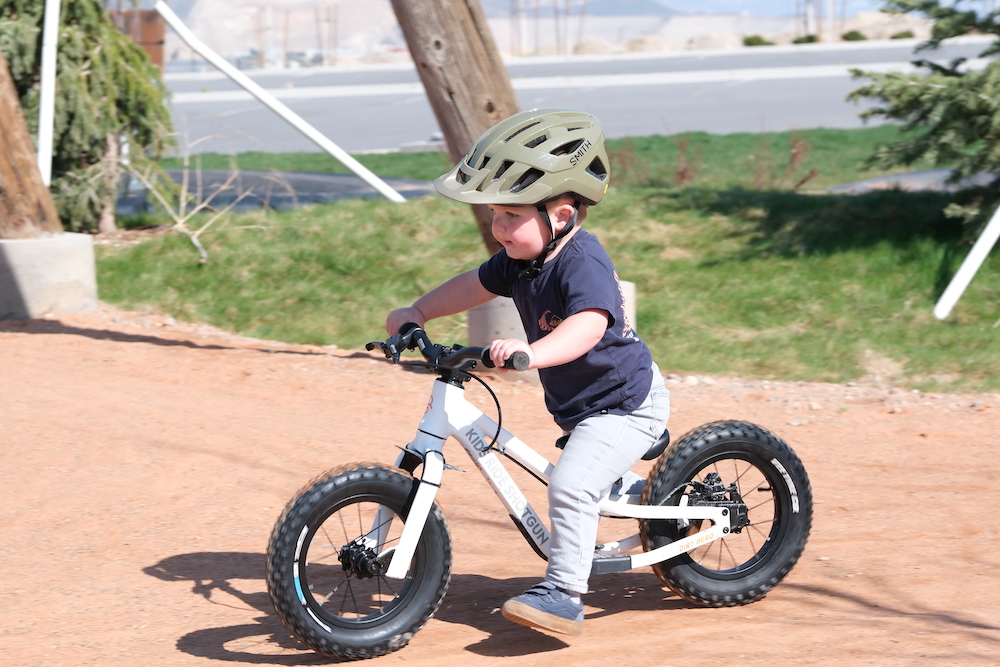
Many of us grew up with training wheels, but—we can do better for our kids! Training wheels don’t actually teach kids how to ride a bike, which is why transitioning away from them can feel like such a struggle. Balance bikes, on the other hand, have grown in popularity for a good reason: they make learning to ride fun, easy, and natural.
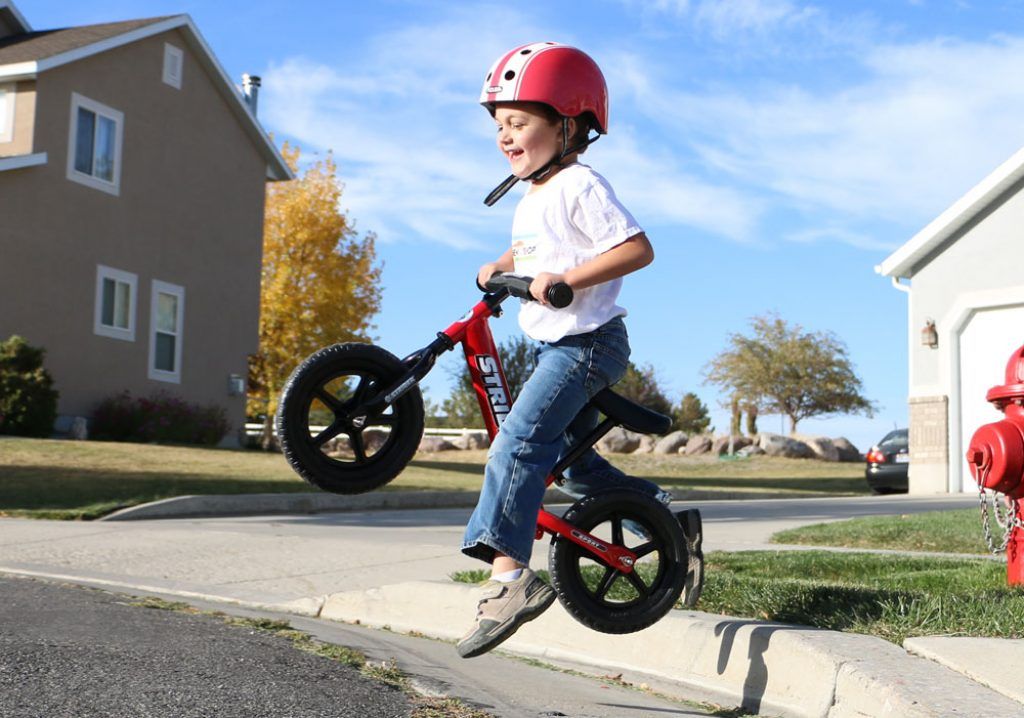
Sure, a little one pedaling with training wheels can be adorable. But you know what’s even cuter? A toddler cruising confidently on their balance bike—down sidewalks, across grass, over curbs, and anywhere their little legs can take them. And the best part? Most balance bike riders are ready to transition to a pedal bike by age 3 or 4—no training wheels required!
In this article, we’ll dive into five key reasons why balance bikes are better than training wheels, exploring how they help kids build essential riding skills, enjoy greater freedom, and make a smooth transition to pedal bikes.
If you’re currently struggling with training wheels, consider innovative options like Flex Guiders training wheels (they’re awesome!) or try removing the pedals and training wheels to transform the bike into a balance bike for your child.
Want to see for yourself? Check out our video showing the same riders test out balance bikes and training wheels!
5 reasons why Balance Bikes are Better than Training Wheels
Training wheels help kids pedal and stay upright, but they don’t actually teach them how to independently ride a bike. Balance bikes, on the other hand, focus on the most important and challenging skill—balancing! Once kids master this, transitioning to a pedal bike becomes smooth, natural, and frustration-free. Here are five key reasons why balance bikes are your best bet.
1. Balance Bikes Fit Young Kids Better
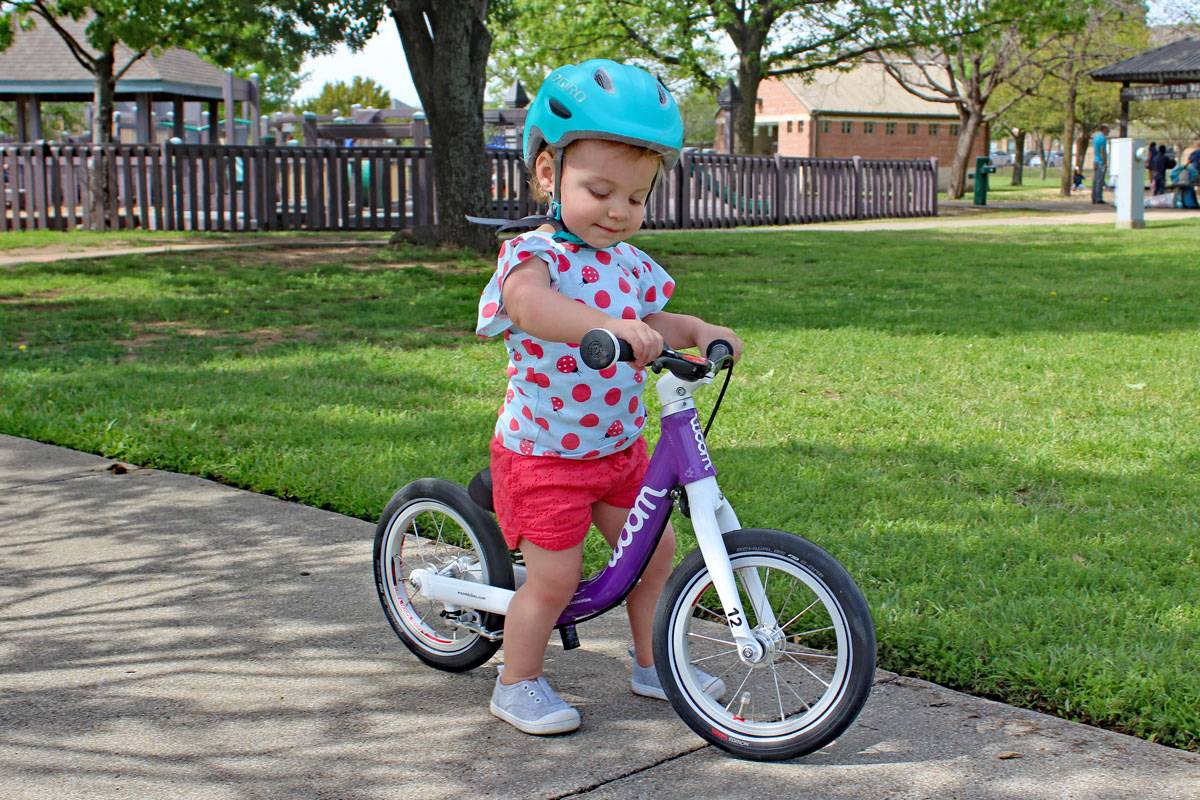
Most bikes with training wheels are not designed to fit kids well. They are typically too tall and very heavy! Balance bikes, however, are lighter, smaller, and proportioned to suit toddlers’ small frames, making them easier and more comfortable to ride.
・Lower Seat Heights: Balance bike seats can go as low as 10 inches off the ground, while the smallest 12” pedal bikes typically have a minimum seat height of 17”. This means toddlers as young as 18 months can start on a balance bike, while most kids need to wait until at least age 3 to fit a pedal bike.

・Ideal Fit for Small Frames: Balance bikes are narrow and allow for a natural posture, giving kids more control and confidence. Unlike bulky pedal bikes, balance bikes provide room to grow without feeling cramped.
2. Balance Bikes Excel on Uneven Surfaces
Training wheels are awkward and unsteady, making uneven surfaces very challenging to navigate. Small, plastic training wheels catch on cracks, curbs, and gravel, often causing kids to have to get off and push their bikes.
Balance bikes, however, encourage adventure! Kids can easily transition from sidewalks to grass, dirt trails, or even gravel paths. Their two inline wheels offer stability, making balance bikes the perfect companion for little explorers.
3. Lightweight and Easy to Ride
Balance bikes are featherweights compared to pedal bikes with training wheels. For example, a Strider balance bike weighs just 6 lbs., while a typical 12” pedal bike with training wheels weighs a hefty 15 lbs. For toddlers who weigh around 25 lbs., that’s a huge difference!
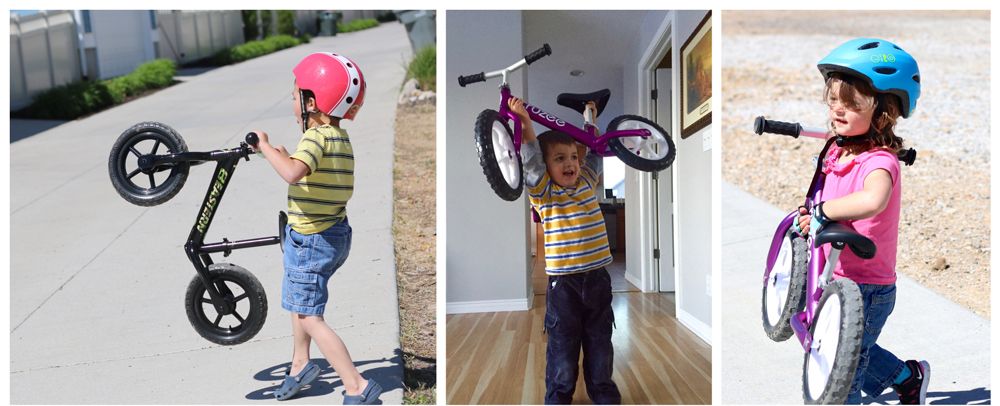
This lightweight design allows kids to ride farther and faster on a balance bike, whether they’re cruising around the neighborhood or joining family bike rides on trails. In contrast, the awkward inefficiencies of training wheels often leave kids struggling to keep up!
4. Years of Fun and Independent Riding
Balance bikes grow with your child and foster independence from the very start.
・Start Riding Young: Toddlers as young as 18 months can start walking their balance bikes. By age 3, they’re gliding effortlessly over various surfaces and riding distances many parents wouldn’t expect. On a bike with training wheels, 3 year olds typically can’t ride very far.
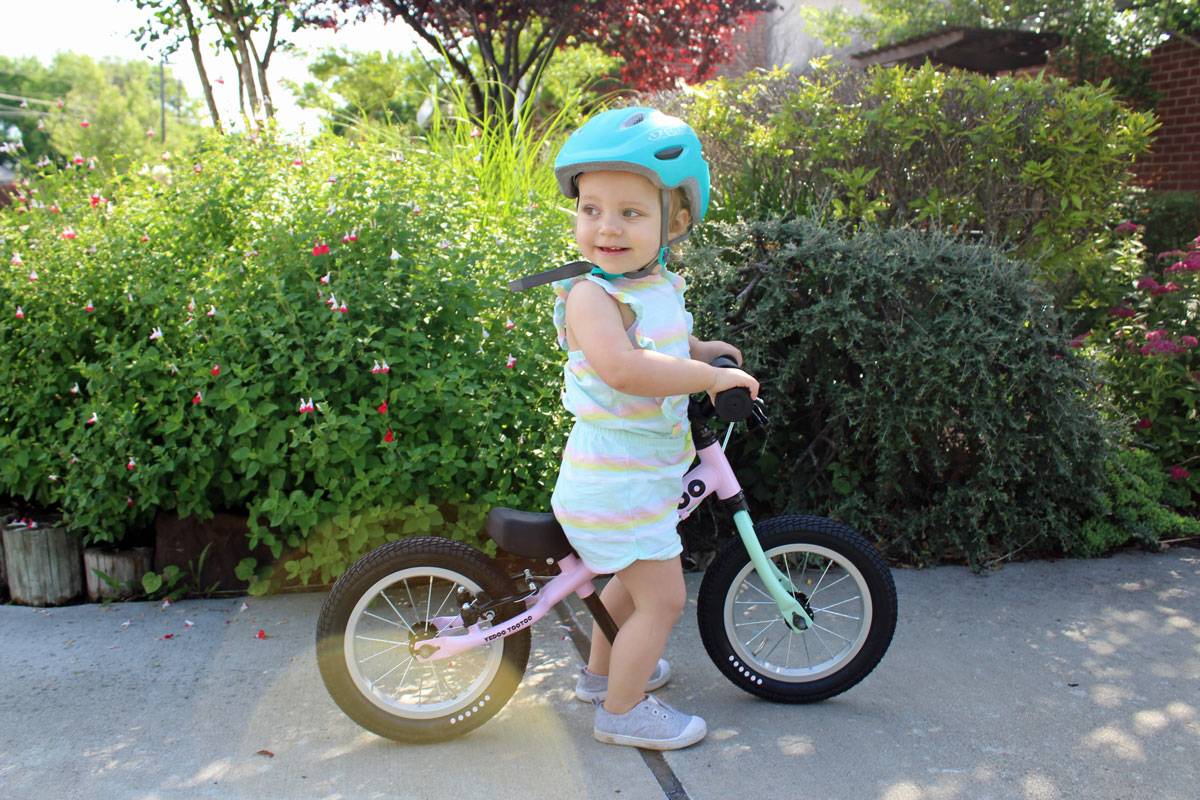
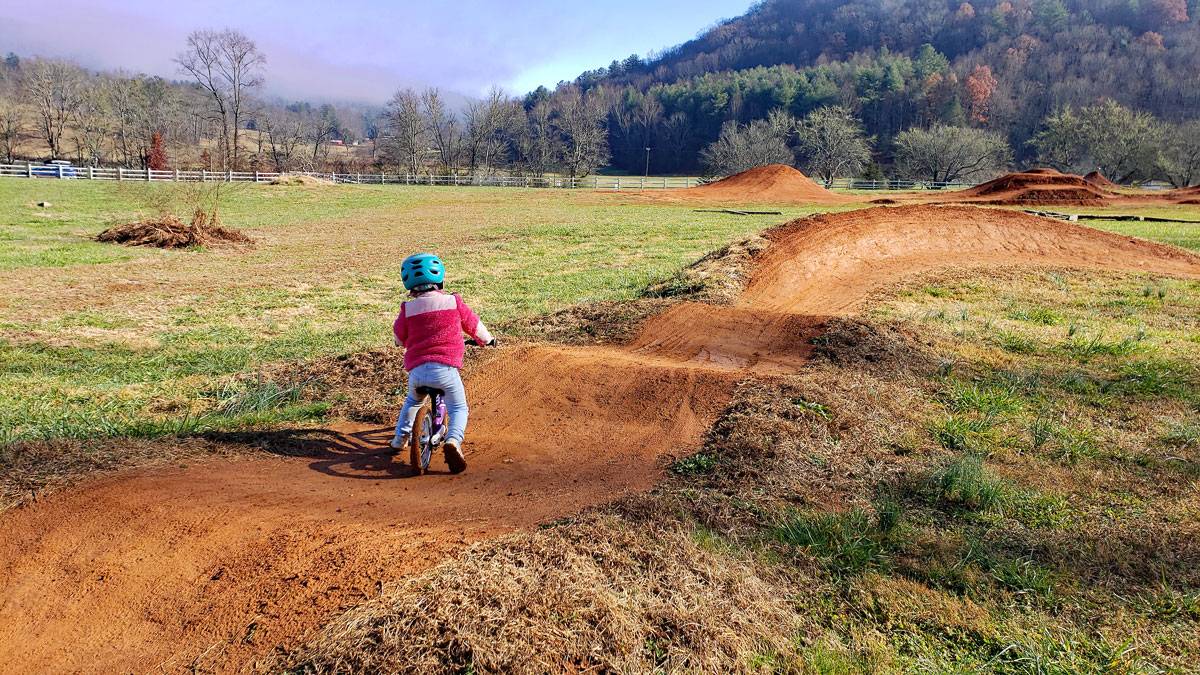
・Encourage Exploration: Unlike training wheels or tricycles that often require help, balance bikes empower kids to ride on their own. They can tackle gravel paths, small dirt mounds, and even pump tracks without adult intervention.
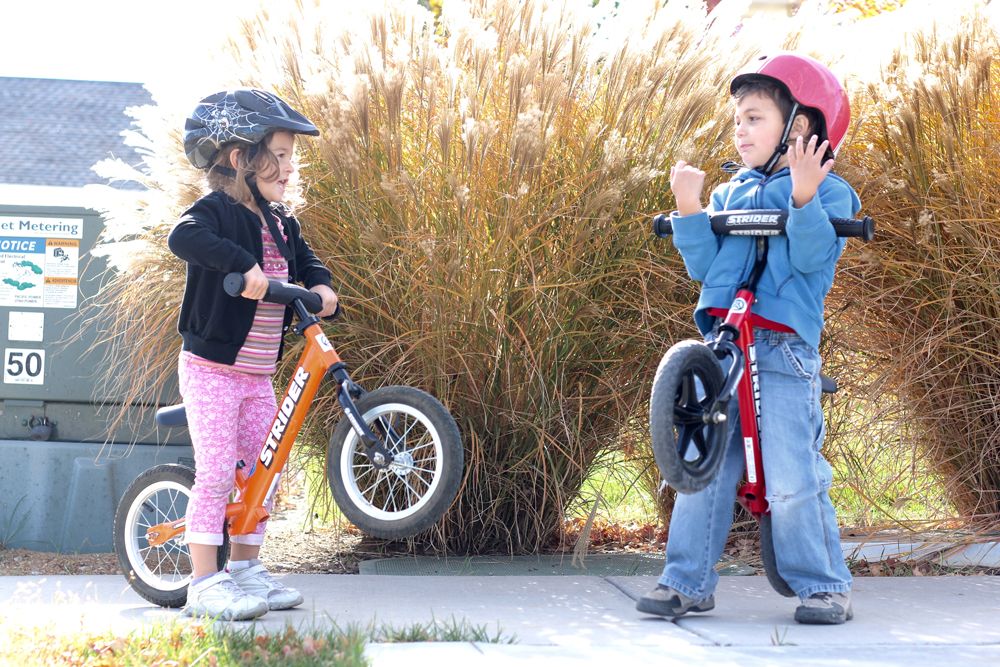
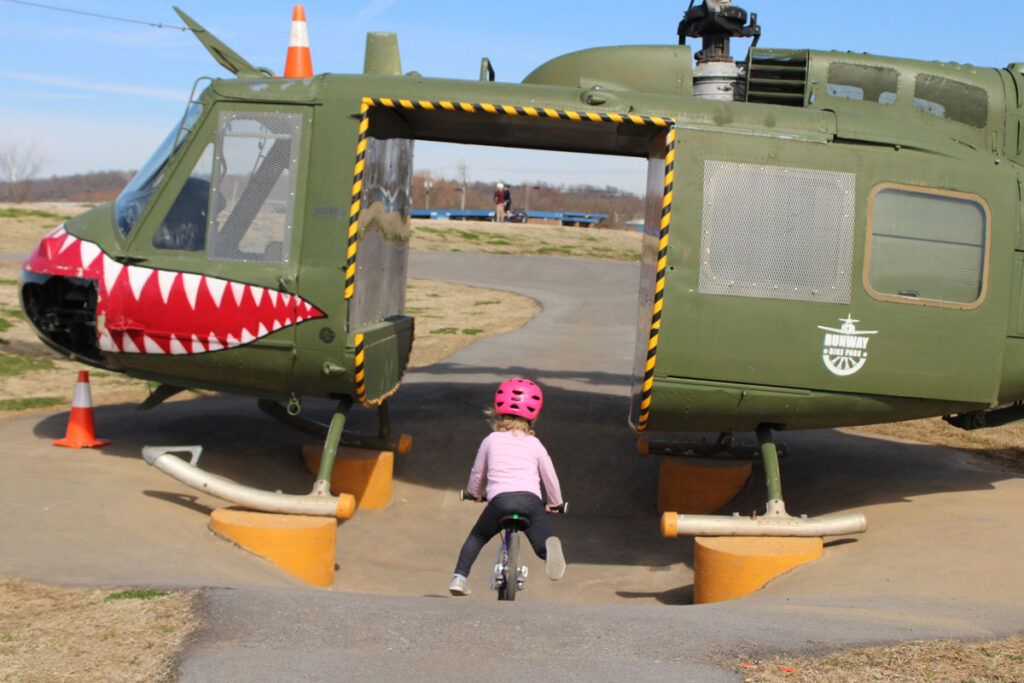
・Unmatched Adventure: From skate parks to mountain trails, balance bikes go wherever a toddler’s imagination takes them. This sense of freedom makes biking more fun for kids—and their parents.
5. Smooth Transition to Pedal Bikes
When it’s time to move on to a pedal bike, balance bike graduates are ready. They’ve already mastered the hardest part—balancing. All that’s left to learn is pedaling, which usually comes quickly.
In fact, when you hand a balance bike graduate a pedal bike, they’re often independently pedaling the first day!
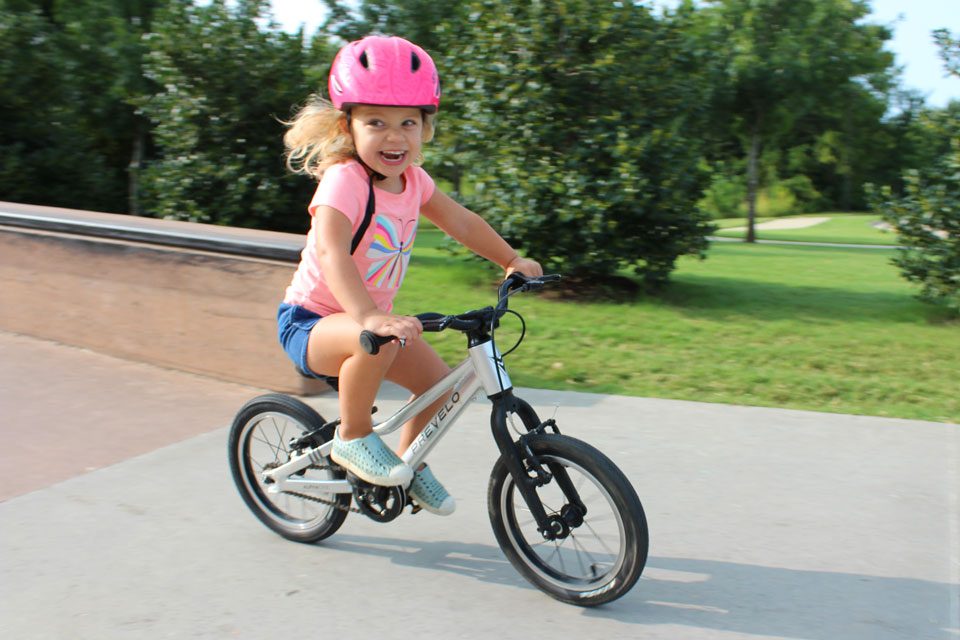
Training wheels, on the other hand, don’t teach balancing or steering. Kids accustomed to training wheels often struggle with frustration, fear, and falls when the wheels come off. Balance bike riders skip this stressful stage entirely. Here’s why:
・Balancing Skills: Balance bikes teach kids to balance naturally while sitting and moving. As they progress, they not only master balancing the bike but also develop an intuitive feel for how a two-wheeled bike should behave—leaning into turns and staying upright when riding straight remain upright when going straight.
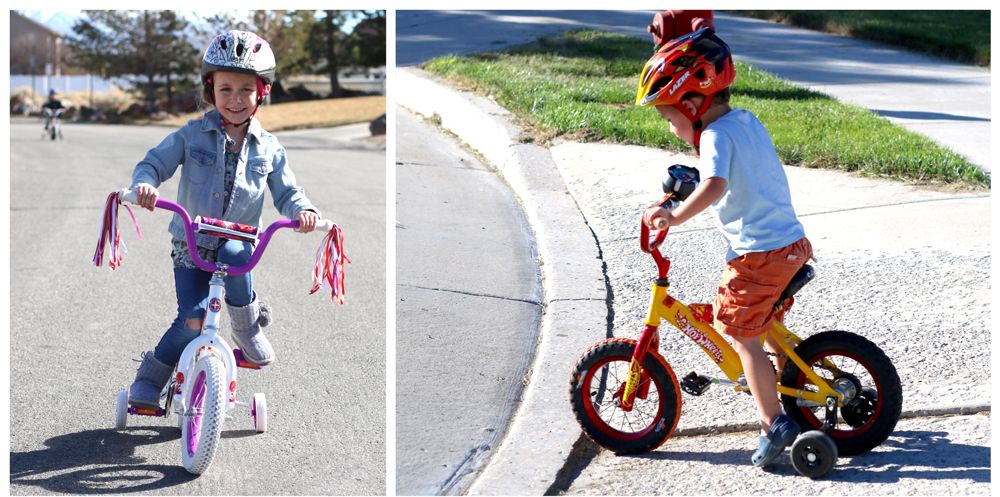
In contrast, training wheels create counterproductive habits. They force the bike to lean awkwardly when riding straight and prevent the bike from leaning properly during turns, which is essential for balance and control. As a result, kids transitioning from training wheels not only have to learn how to balance but must also unlearn the bad habits instilled by training wheels.
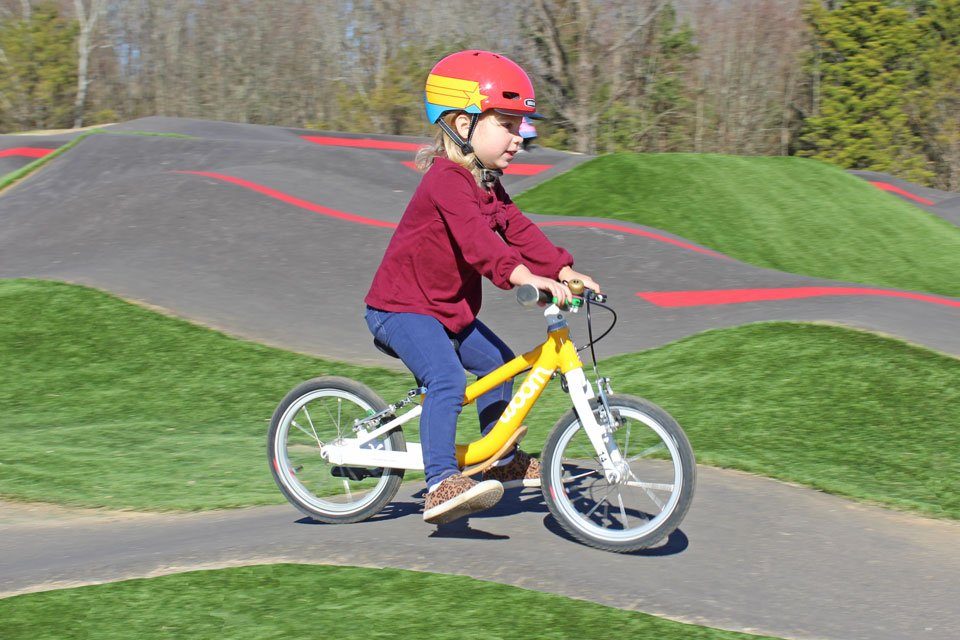
・Steering Practice: On a balance bike, kids learn how to steer properly and safely. If they oversteer and fall, the impact is minor because they’re closer to the ground.
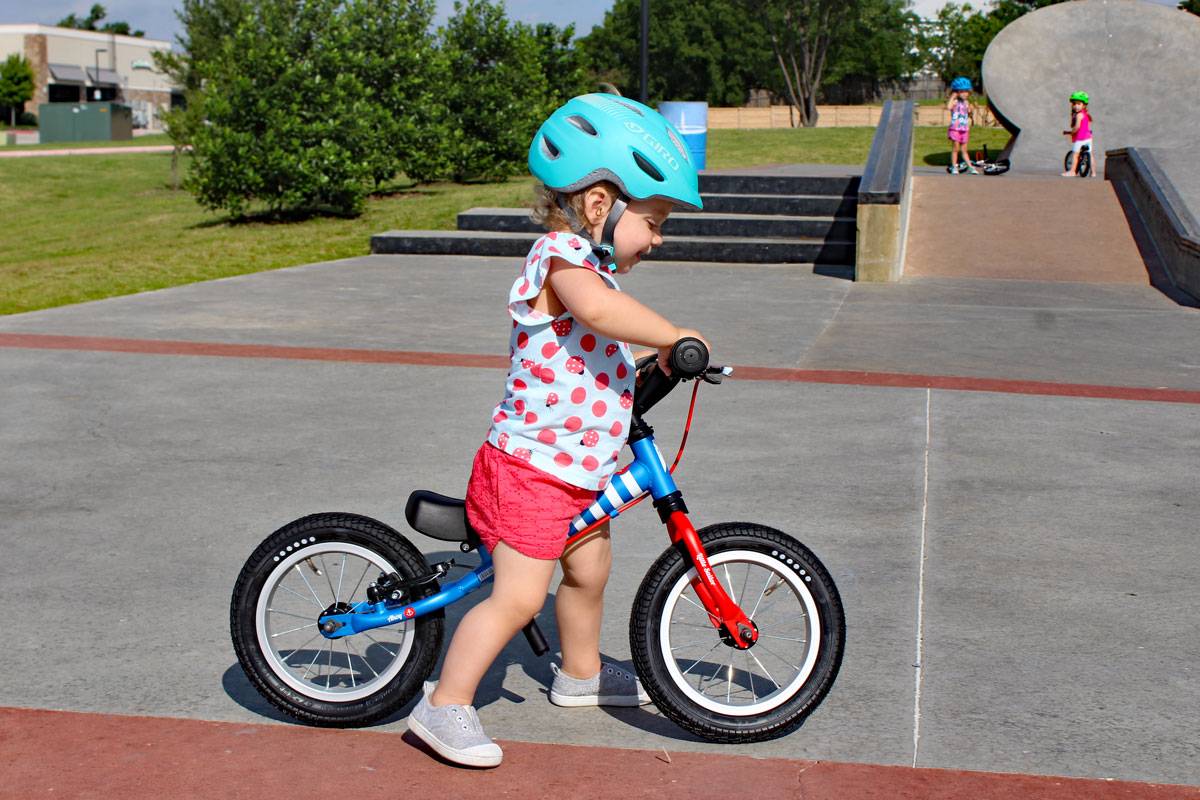
・Overall Control: Balance bikes teach kids to stop, lean into turns, and shift their weight for stability, all without the awkwardness of pedals.
Pro Tip: Avoid Coaster Brakes
For balance bike graduates, a pedal bike with a freewheel system (no coaster brakes) is ideal. Coaster brakes can cause frustration because kids instinctively pedal backward to regain balance, which engages the brake and causes falls. Stick with freewheel bikes for a smoother transition.
Is a Balance Bike a Waste of Money if I Have to Buy a Pedal Bike Later?
No way! This is a question we hear a lot, and we’re here to clear it up for you. Balance bikes are absolutely worth it, and here’s why:
1. More Years of Use: Balance bikes, like the woom 1, can be used as early as 18 months, giving your child more years of use compared to a 12″ pedal bike. Most kids can’t even fit on a 12″ pedal bike until they’re at least 3 years old.
2. Skipping the 12″ Pedal Bike Stage: Many kids love the adventure and independence of balance bikes so much that they often continue riding them until they’re ready to transition directly to a 16″ pedal bike—completely skipping the 12″ pedal bike and training wheels stage!
3. Options for Older Beginners: Even if your child starts later, at age 3 or older, you can choose a balance bike with a larger frame (like the woom 1 Plus). They’ll still get about two years of enjoyment before seamlessly transitioning to a 16″ or even 20″ pedal bike by the time they’re 5 or 6.
4. More Fun, Less Frustration: Balance bikes are way more enjoyable for kids than 12″ bikes with training wheels. Even if your child doesn’t start on a balance bike until they’re a little older, the time they spend riding one will be exponentially more fun and empowering than struggling with a small pedal bike and training wheels.
Check out our guide to the Best Balance Bikes to find the perfect fit for your child and get them started on their biking adventure!
What if My Child Insists on a Bike with Training Wheels?
We get it—kids can be stubborn, and sometimes they have their heart set on a bike with training wheels, especially if that’s what their friends are riding. If you’re in this situation, don’t worry—there are still great options available.
Some bikes are specifically designed to work with training wheels or come with them included. For these scenarios, we recommend checking out our 10 Best 12-Inch and 14-Inch Bikes, which includes several training wheel-compatible options.
Our top pick? The Guardian 14″ Pedal Bike—it’s a fantastic choice for small riders who need training wheels but still want a high-quality bike.