The Best 16 Inch Mountain Bikes for Tiny Groms

So you’ve got yourself a tiny shredder who’s ready for their first 16-inch mountain bike. Riding dirt trails and singletrack at age three, four, or five doesn’t demand the same technical skills as older riders, but having the right setup makes a huge difference in their confidence and control.
Key features we look for in a 16” mountain bike include a low, wide handlebar for stability, a longer wheelbase for balance, dual hand brakes, and knobby tires with enough width to grip loose terrain. A suspension fork? Not necessary at this size. Brakes, on the other hand, are non-negotiable—quality dual hand brakes with real stopping power (no coaster brakes!).
So, what’s the best 16” mountain bike for kids? Below we highlight our five top picks and explain what sets each one apart. If you’d like a deeper dive into which features really matter—and which ones don’t—scroll down to our How to Choose section.
Best 16 Inch Kids Mountain Bikes
| Bike | Award | MSRP |
|---|---|---|
| Prevelo Zulu Two* | Best Overall | $699 |
| Prevelo Alpha Two* | Best for Basic Trails | $509 |
| Commrncal Ramones 16 | Best Budget for Tall Riders | $540 |
| Early Rider Seeker 16 | Lightest Legit MTB! | $749 |
| Prevelo Zulu Two HEIR* | Best with Suspension | $949 |
|
*Convert to a balance bike with Prevelo’s Optional Conversion Kit |
||
THE BEST 16 INCH MOUNTAIN BIKES
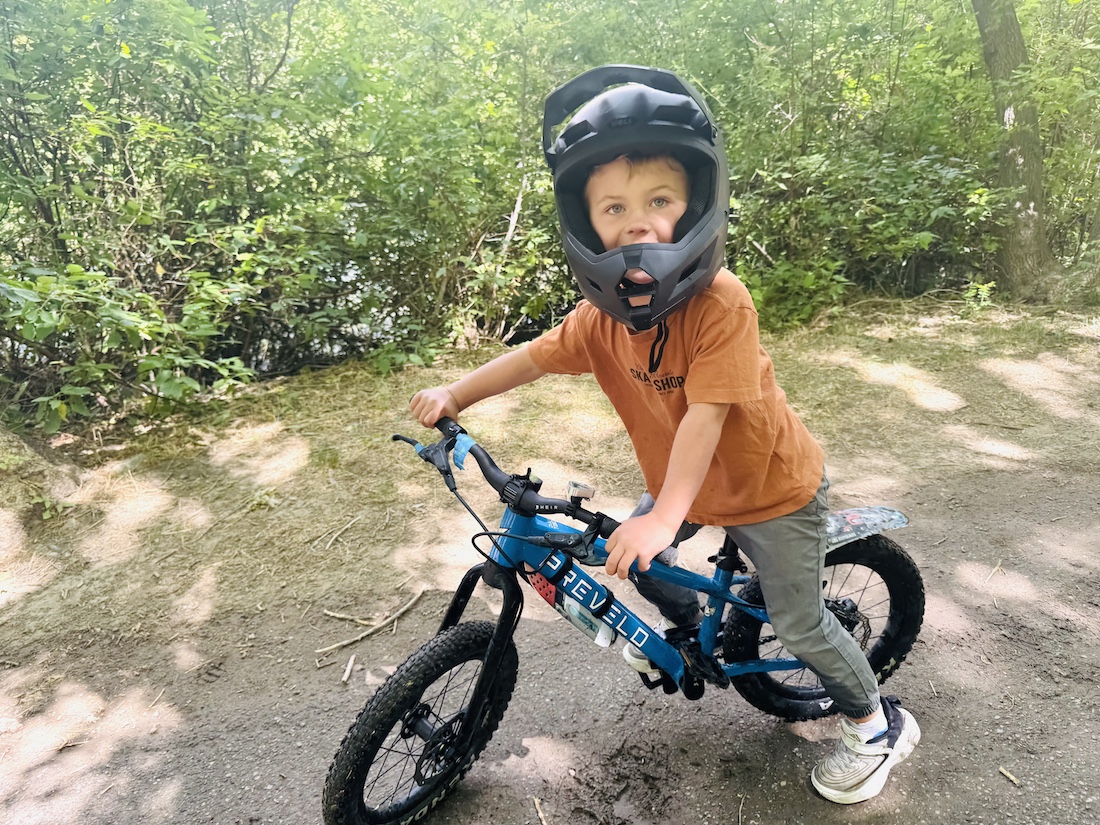
Prevelo Zulu Two and Two HEIR
$699, $949 (HEIR)
WEIGHT: 15.6 lb. with pedals, ~16.3 lb. (HEIR)
SEAT HEIGHT: 17.7” – 25.2″
TIRES: Kenda Booster 16 × 2.2
GAIN RATIO: 3.85
HANDLEBARS: 520 mm wide, 25 mm rise
STANDOUT FEATURES: Modern MTB geometry, easily converts from pedal bike to balance bike, wide handlebars, hydraulic front and rear disc brakes, internally routed brake cable, air fork available on HEIR
About the Prevelo Zulu
The Prevelo Zulu Two is a dream come true for MTB parents who want a rig for their kid that’s every bit as cool as their own. With modern mountain bike geometry—including a long wheelbase, slack head tube angle, and steeper seat tube—the Zulu Two offers a stable, confidence-inspiring ride on the trail.
While the hydraulic disc brakes aren’t strictly necessary for most 4- to 6-year-olds, they’re a premium touch we appreciate—especially on rougher terrain. The Zulu Two is also the only 16″ mountain bike on our list with an optional air fork (HEIR model). While we tested it without suspension, the upgrade is there if you’re looking to build a mini enduro machine.
One standout feature of the latest model is its ability to easily convert between a pedal bike and a balance bike with the optional conversion kit. Even if your child already knows how to pedal, trail riding is a different beast. Chunky terrain, low pedal clearance (about 4″), and the lack of gears can make it tough for young riders to keep momentum. Pedal strikes are more common, and without gearing to manage speed, navigating trails becomes more challenging.
Starting kids off in balance bike mode when hitting trails for the first time can be a game-changer. It allows them to walk over obstacles, reduces fear and hesitation, and gives them time to master braking with the bike’s strong hydraulic discs. If they accidentally grab the front brake too hard, it’s much easier (and safer) to recover on a balance bike than on a pedal bike. Plus, without pedals in the way, crashes are more forgiving.
Once your young rider gains confidence and control, the Prevelo Zulu makes it easy to convert the bike back to pedal mode—ready for their next adventure.
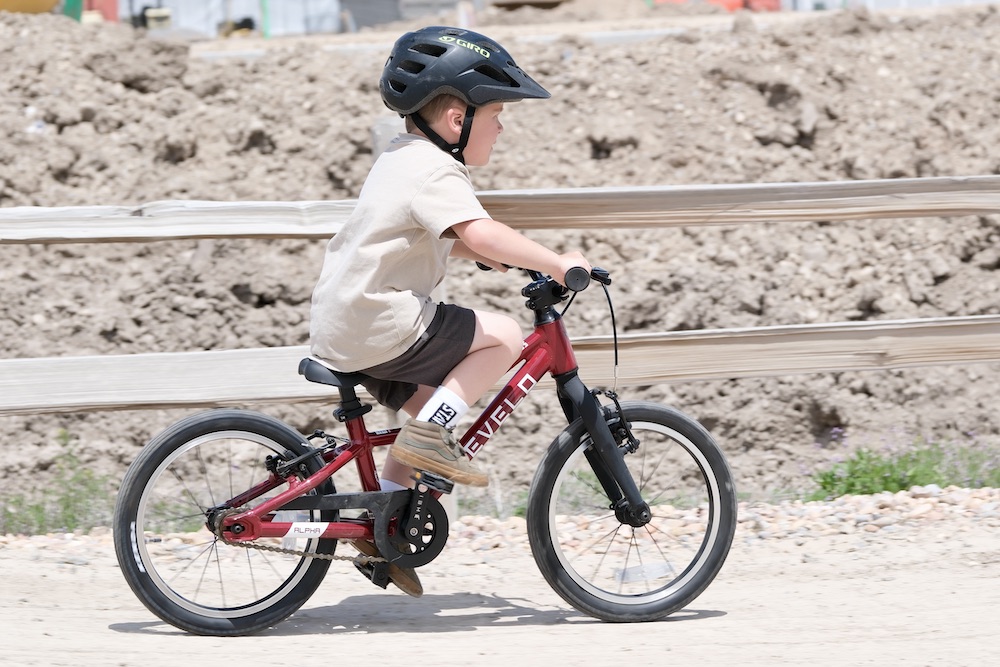
Prevelo Alpha Two
$509
WEIGHT: 12.9 lbs.
SEAT HEIGHT: 17″ – 25″
TIRES: Kenda Small Block Eight Pro 16 × 1.5
GAIN RATIO: 3.8
HANDLEBARS: 460 mm wide, 50 mm rise
STANDOUT FEATURES: Smooth rolling Kenda tires, high-quality Tektro V-brakes, lightweight aluminum frame, converts to a balance bike
About the Alpha Two
The Prevelo Alpha Two is a versatile 16 inch bike that’s just as at home in the neighborhood as it is on beginner trails. Weighing in at just under 13 pounds, it’s the lightest bike on this list and also offers the lowest minimum seat height, giving young riders an edge in both control and confidence.
With its aggressive geometry, the Alpha Two places kids in a more athletic riding position that makes it easier to corner, balance, and handle small obstacles. Combined with responsive hand brakes and all-terrain tires, it’s well-suited for everything from paved paths to packed dirt adventures.
One standout feature is its ability to convert into a true balance bike with Prevelo’s Balance-Tech system. The system easily allows the pedals, crank arms, and chain to be removed, allowing kids to continue striding for longer and build confidence before fully committing to pedals. This option also makes the transition to mountain biking smoother, since navigating chunky terrain or climbing hills is often easier for kids in balance mode than in pedal mode.
Our tester has taken the Alpha Two everywhere from the skatepark to pumptracks to Bentonville’s flow trails, and it delivered every time. While its narrower tires offer great traction on pavement and hard-packed dirt, they’re less ideal in loose soil or rocky terrain than those found on the Zulu.

Commencal Ramones 16
$540
WEIGHT: 16 lbs
SEAT HEIGHT: 20.5″ – 24″
TIRES: Vee Tire Crown Gem 16 x 2.25
GAIN RATIO: 3.5
HANDLEBARS: 500 mm wide, 20 mm rise
STANDOUT FEATURES: Mechanical disc brakes, soft and kid-sized saddle
About the Commencal Ramones
With wide, grippy tires, broad handlebars, and mechanical disc brakes, the Commencal Ramones 16 delivers reliable traction, control, and stopping power—helping young riders build skills and confidence quickly. It’s most comparable to the Prevelo Zulu Two, but comes in at a lower price point with three key differences: it’s heavier, it has a taller minimum seat height, and it uses mechanical disc brakes instead of the Zulu’s hydraulic system.
The Ramones’ mechanical discs provide dependable stopping, but the Zulu’s hydraulic brakes are more powerful and responsive, especially on steep descents. The Ramones 16 also has the tallest minimum seat height on this list, nearly 3 inches higher than the Zulu Two, which means younger or smaller riders may need to grow before it fits properly. In addition, the Ramones’ cockpit is slightly more compact, so kids may feel cramped sooner than they would on the Zulu.
Even with these limitations, the Ramones remains a capable and versatile little rig. Our testers handled root-strewn trails and steep skatepark ramps with confidence, though its restricted growth window is worth considering.
(Note: The minimum seat height can be lowered with a shorter seat post or by cutting the included one. However, based on knee angle at the top of the pedal stroke, we wouldn’t recommend reducing it much below 20″.)
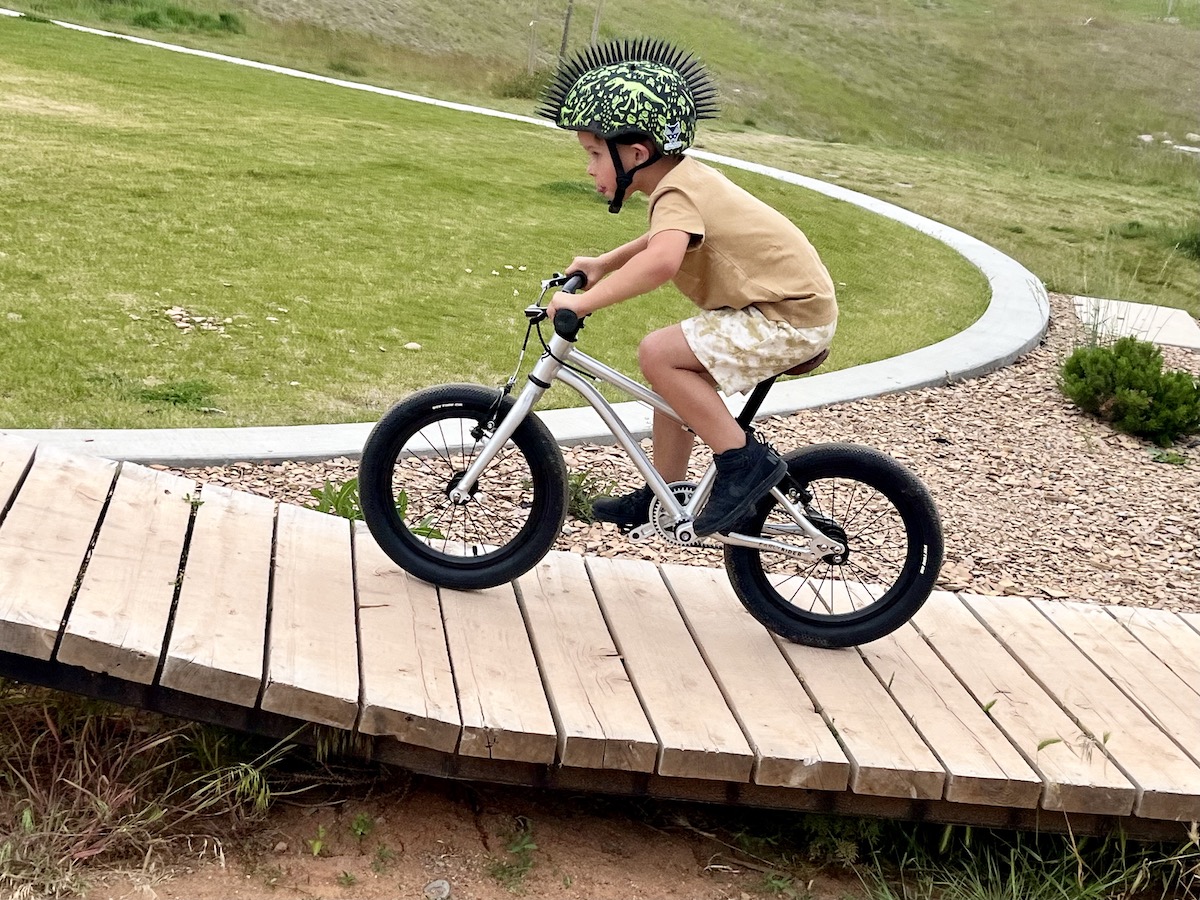
Early Rider Seeker
$749
WEIGHT: 14 lbs
SEAT HEIGHT: 18.7″ – ?
TIRES: Kenda Booster 16″ x 2.25″
GAIN RATIO: 3.0
HANDLEBARS: 480 mm wide, 18 mm rise
BRAKES: Hydraulic disc brakes
STANDOUT FEATURES: Weight-saving components like hollow axles; brushed aluminum finish hides scratches better than most
About the Early Rider Seeker
The Early Rider Seeker is the lightest 16-inch mountain bike on the market, tipping the scales at under 14 pounds—even with its chunky 2.25” Kenda Booster tires. That featherweight build makes it an excellent choice for young riders tackling true single track.
Early Rider’s attention to detail is unmatched. From the smallest bearings to simple spacers, every component is carefully chosen to maximize ride quality and durability. The result is a bike that feels less like a kids’ toy and more like a piece of engineering artistry on two wheels.
While we haven’t had the chance to put our own testers on the Seeker yet, its thoughtful geometry, premium build, and remarkably low weight make it a standout contender in the 16-inch MTB category.
COMPARISON CHARTS OF TOP PICKS
| Bike | Seat Height | Weight | Gain Ratio |
|---|---|---|---|
| Prevelo Zulu Two | 17.7” – 22″ | 12.9 lb. | 3.85 |
| Prevelo Alpha Two | 17” – 25″ | 12.9 lb. | 3.8 |
| Commencal Ramones | 20.8” – 24.25″ | 16 lb. | 3.5 |
| Early Rider Seeker | ~19.5” – 23.5″ | 14 lb. | 3.9 |
| Prevelo Zulu Two HEIR | 17.7” – 22″ | 15.8 lb. | 3.85 |
What to Look For When Choosing a 16 Inch
Mountain Bike
16 inch kids mountain bikes are different than 20 and 24 inch bikes. For one thing, you don’t have gears! Additionally, most 16 inch mountain bikes don’t have suspension. So with gears and suspension off the table, what’s important for your budding mountain biker’s first real rig?

Girls and Boys 16 inch Mountain Bikes
When it comes to kids’ mountain bikes, there’s no such thing as “boys’” or “girls’” models. All 16-inch mountain bikes are designed to be gender-neutral. If your child is asking for a “boys’ bike” or a “girls’ bike,” what they really mean is that they want a color or style that speaks to them. You can always personalize a bike with fun grips, pedals, or accessories if the stock look isn’t quite their style.
Adult mountain bikes sometimes vary in geometry between men’s and women’s models to account for average anatomical differences. That distinction doesn’t exist in the kids’ bike world. At this age, the focus should be on finding the right fit and features—not worrying about labels.
Geometry
Kid-friendly geometry is one of the biggest factors in helping young riders feel confident—whether they’re tackling singletrack or just cruising the neighborhood. All of the bikes on our list are designed with geometry far beyond what you’ll find on cheap big-box bikes, but there are a few key points to keep in mind if your child will be riding primarily on trails.
Low and Wide Handlebars
Lower handlebars allow kids to lean into turns and shift their weight properly, which is crucial for trail riding. While upright bars are more comfortable for cruising around the block, they limit maneuverability. Slightly wider bars also help improve stability and steering control.
Longer Wheelbase
A longer wheelbase (within reason) translates to more stability and provides extra space in the cockpit. That added room gives kids the ability to adjust their body position more easily on climbs, descents, and rolling terrain.
Head Angle and Seat Tube Angle
On adult mountain bikes, slacker head angles and steeper seat tube angles are major design considerations. On 16-inch bikes, these angles matter much less—your 3- to 5-year-old isn’t riding fast enough for it to make a huge difference. If you find a kids’ MTB with geometry similar to your own bike, that’s great—but don’t sweat it if the angles are closer to a high-end neighborhood bike. For young riders, fit and confidence matter far more than aggressive modern geometry.
Wide, Knobby Tires

After geometry, tires are one of the most important features on a 16-inch mountain bike. Wide, knobby tires give young riders a huge boost in both confidence and control. They provide traction on dirt and rocks, absorb chatter from small bumps, and offer extra cushioning for rock gardens, little jumps, and small drops. Lowering the tire pressure can further improve grip and comfort on rougher terrain.
That said, there’s no single “best” tire for a 16-inch mountain bike—especially since there aren’t many options at this size. Tread pattern and knob size play a big role in performance, and some bikes come with tires that can be upgraded later. If you want a deeper dive into tread design, Liv Cycles has a helpful breakdown.
One final note: bigger isn’t always better. Wider tires add stability, but they also add weight. Keep that in mind before going full fat-tire on your kid’s very first MTB. Balance is key.
Weight
One of the biggest reasons to avoid big-box “mountain bikes” is weight. A heavy bike can kill a kid’s riding experience before it even starts. High-end 16-inch mountain bikes typically weigh between 14 and 18 pounds—a big difference compared to the 25+ pound clunkers you’ll find at Walmart.
Even within that lighter range, a couple of pounds matter. We’ve seen skilled riders struggle on climbs with a 17-pound bike but handle the same terrain with ease on a 15-pound bike. When your rider only weighs around 40 pounds, every extra pound of bike weight makes a noticeable impact.
Brakes
Here’s another trap: even many 16-inch bikes sold at local bike shops aren’t trail-ready. Why? Coaster brakes. Nearly all of the 16-inch “kids’ bikes” from major brands like Trek or Specialized still come with them. For true MTB riding, coaster brakes are a no-go.
V-Brakes
For beginning and intermediate 3- to 5-year-old riders, a high-quality set of mini V-brakes is the ideal starting point. Cheap v-brakes should be avoided, but well-designed versions with short-reach levers, like those found on the Prevelo Alpha Two, are built specifically for small hands. They give young riders reliable stopping power they can control with confidence, without being overly harsh or difficult to use.

Disc Brakes
Disc brakes are fantastic for experienced riders who need maximum stopping power, especially at higher speeds or on steeper, more technical trails. But for beginning and intermediate riders, they can actually create problems. Kids this age don’t weigh much, and they’re not riding fast enough to take advantage of the extra power. In fact, discs can be too grabby for little hands still learning brake control. A strong squeeze at the wrong time can easily lead to an over-the-bars crash.
For most young riders, quality v-brakes provide the perfect balance of stopping power, control, and safety. Disc brakes become a real advantage once kids are older, heavier, or more skilled.
Suspension Fork
Do you need a suspension fork on a 16-inch mountain bike? Honestly—no. You might want one, but your kid doesn’t. (Feel free to argue with us in the comments below!)
At this age, kids simply don’t weigh enough to benefit from the damping of a fork. Most won’t be riding terrain where suspension would make much of a difference anyway—even for adults. In fact, rigid forks can actually be a better learning tool, since they help kids feel the trail and develop technical riding skills early on. Suspension forks also add extra weight, which can make climbing and handling harder for a small rider.
If your experienced grom is bombing down chunky terrain the Prevelo Zulu Heir is your best bet.
Gears – Single Speed!
While adult mountain bikers rely on shifting to conquer climbs and descents, all 16-inch mountain bikes are single speed. At this age, kids don’t yet have the developmental ability to manage gears—and that’s actually a good thing. Fewer parts mean the bike stays lighter, simpler, and easier to ride.
Even so, the gear choice for that single speed matters. Most 16-inch MTBs fall between a 3.5 and 3.8 gain ratio. That may not sound like much, but it can make a noticeable difference on the trail.
- Lower gain ratios make pedaling easier, which is great for kids powering up inclines on their own.
- Higher gain ratios are better for flatter terrain or rolling descents, where speed is more important than climbing ease.
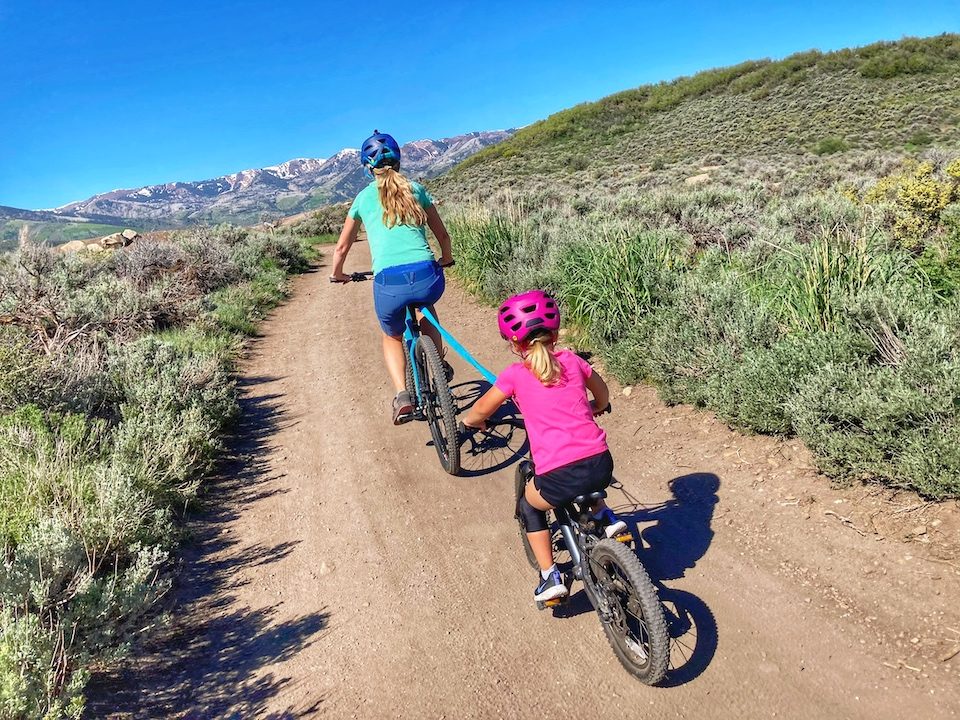
Which ratio is “best” depends on where your child will ride most often. And regardless of gearing, one tip from experience: buy a tow rope. It’s been a staple in our own family rides—we wouldn’t survive long climbs without it!
Best MTB Kids Bike Accessories
Bumbinos Mud Guards for Kids
Not only are these mud guard amazing quality, they are also ridiculously easy to install and come in a variety of fun colors and designs.
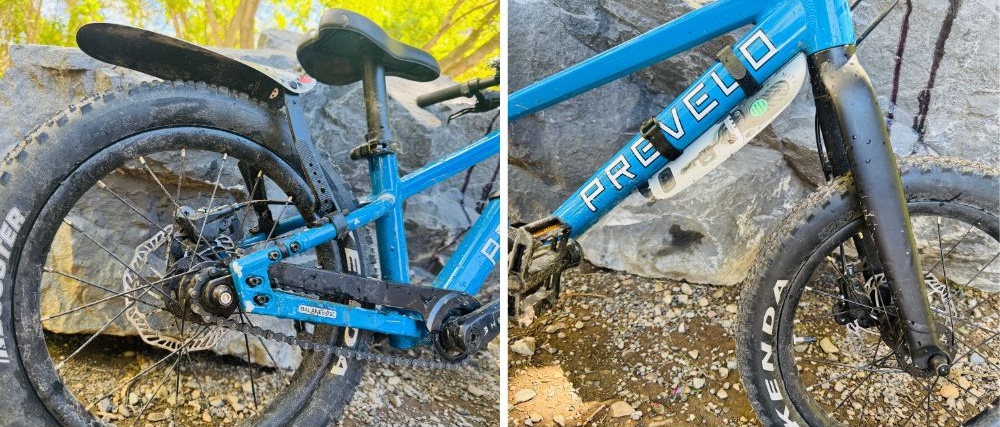
From keeping the water and mud off your little groms back and face to taking their bike to the next level of rad, you can’t go wrong with Bumbinos Splash Packs. They are available for wheels sizes 14″ to 20″.
FTC Disclosure: Affiliate links are included in this review. No monetary compensation was provided for this review, however, the reviewed product was supplied by the manufacturer or distributor to help facilitate this review. All opinions and images are that of Two Wheeling Tots LLC. All content and images are copyrighted and should not be used or replicated in any way. View ourTerms of Use.